
Private Label Château Wines in 2026: The Ultimate Guide to Premium, Story-Driven Wine Brands

Updated: Apr 22
Private label wine has evolved far beyond bulk blends and generic labels. In 2026, the most successful wine brands are not just selling a product, they’re selling a story, a terroir, and a point of view.
And this is exactly where Château and single-estate wines become a game changer.
At T.W.F, these wines already represent more than 50% of our projects and for good reason.

What Is a Private Label Château Wine?
A Château (or Estate / Single Estate) wine is produced from grapes grown on a specific vineyard, tied to a defined terroir, and often managed by a family-owned winery.
Unlike generic wines blended from multiple sources, these wines offer:
A clear origin
A consistent style
A real story behind the bottle
When you create a private label based on a Château wine, you’re not just launching a brand—you’re co-branding with an existing heritage.
Why Château Wines Are So Powerful for Private Label
1. Authenticity Sells
Today’s consumers are increasingly educated and demanding. They want:
Transparency
Traceability
Authentic production
A Château name instantly communicates all three.
It positions your wine as:
More premium
More credible
More “real”
2. A Unique French Advantage 🇫🇷
Here’s something most people in the industry don’t say clearly enough:
👉 France is almost the only country where you can do private label AND single-estate wines at scale.
In countries like Australia or Chile, private label is typically:
Bulk wine
Large volumes
Blended from multiple vineyards
Standardized profiles
In France, it’s completely different.
You can build a brand using:
Small family producers
Estate-grown wines
Appellation-driven quality
Across regions like:
Rhône Valley
Languedoc
Bordeaux
This is a massive differentiation opportunity.
3. Built-In Storytelling (Without Inventing One)
Each Château comes with:
History (sometimes decades or centuries)
A family behind it
A specific terroir
Winemaking philosophy
That means your brand instantly gains:
Depth
Credibility
Emotional connection
Instead of creating a story from scratch, you leverage an existing one.
4. Premium Perception = Higher Margins
Château wines naturally support higher positioning:
Better perceived value
Easier premium pricing
Stronger brand loyalty
And when combined with custom branding, the result is powerful:
👉 A product that looks like your brand👉 But carries the weight of a real estate
5. Strong External Validation (Critical for Sales)
One of the biggest advantages?
Many Château wines already have ratings from top critics like:
James Suckling
Wine Spectator
Decanter
These scores are incredibly valuable:
They boost credibility instantly
They help distributors sell faster
They justify higher price points
For many clients, this becomes a key sales argument.
The Trade-Off: Limited Quantities (and Less Flexibility)
Let’s be clear, there are a few structural constraints with Château wines:
👉 Château = limited production
Because the wine comes from a defined vineyard:
Volumes are finite
Scaling is slower
Large orders require anticipation and planning
This is the natural counterpart to authenticity.
Vintage Sensitivity (A Real Terroir Means Real Variation)
Another key factor to understand:
👉 A single-estate wine is much more exposed to vintage conditions
Since the wine comes from one specific terroir:
Climate variations (heat, rain, hail, drought) directly impact quality
Each vintage can show noticeable differences
There is little to no possibility to “correct” the profile
Unlike generic wines, producers cannot blend across multiple vineyards or regions to standardize the product.
👉 What you gain in authenticity, you lose in consistency.
Dependency on the Château
This is often underestimated, but critical:
👉 Your supply depends on the estate
That means:
If the owner decides to stop collaboration → production stops
If prices increase significantly (sometimes +30–50%) → limited negotiation power
If volumes decrease due to a smaller harvest → allocations are reduced
You are not just buying wine—you are entering a partnership with a producer.
The Bottom Line
Château wines bring:
✅ Authenticity
✅ Storytelling
✅ Premium positioning
But also:
⚠️ Less flexibility
⚠️ More dependency
⚠️ Greater exposure to nature
And that’s exactly why they are powerful.
Because in a market full of standardized products, real constraints are often the proof of real quality.
When Should You Choose Château vs Generic Wine?
Go for Château wines if you want:
A premium brand
Strong storytelling
Higher margins
Long-term positioning
Go for generic wines if you need:
Very large volumes
Aggressive pricing
Fast scalability
Most successful brands actually combine both:
Château wines for image and credibility
Generic wines for volume drivers
Full Customization: Your Brand, Your Identity
Even with Château wines, you retain full control over your brand.
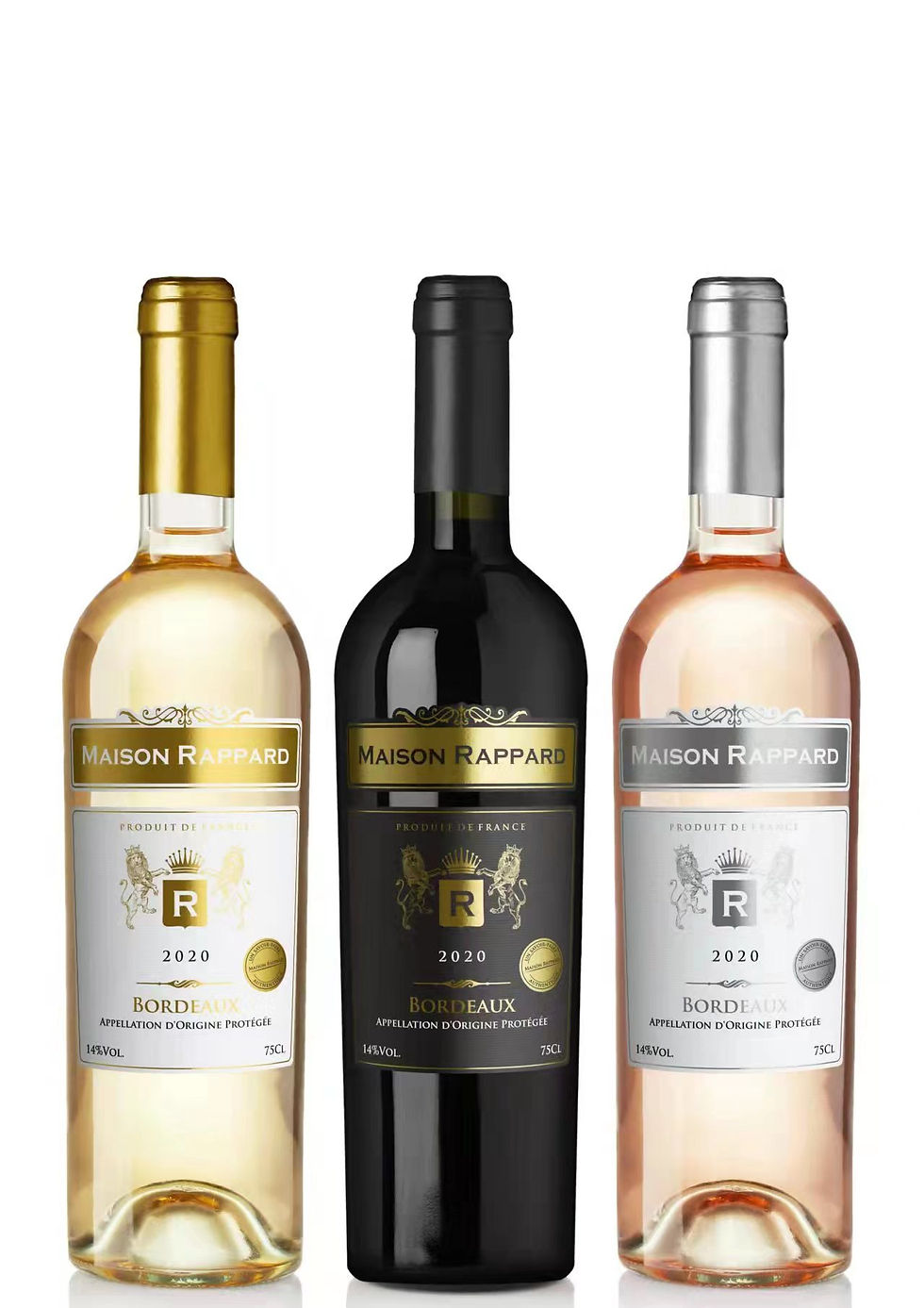
At T.W.F, you can customize:
Bottle shapes
Glass color
Capsules
Labels
Packaging
The result?
👉 A fully personalized product👉 Built on a real estate wine
This creates a powerful hybrid:
Your brand × A real Château = high-impact co-branding
Flexibility in Style and Production
Working with French estates also gives you access to a wide range of options:
Organic wines (BIO)
Vegan-certified wines
Oak-aged wines (barrel aging)
Modern or traditional styles
This allows you to align your product perfectly with your market.
Why Château Private Label Is Winning in 2026
The market is moving away from:
❌ Anonymous products
❌ Mass-produced blends
And toward:
✅ Authenticity
✅ Transparency
✅ Story-driven brands
Château private label sits exactly at that intersection.
Conclusion
Private label wine in 2026 is no longer just about putting your name on a bottle.
It’s about building a brand with:
Identity
Credibility
Differentiation
And French Château wines offer something unmatched:
👉 The ability to create a custom brand rooted in real terroir, real people, and real history
That’s not just private label.
That’s next-level wine branding.
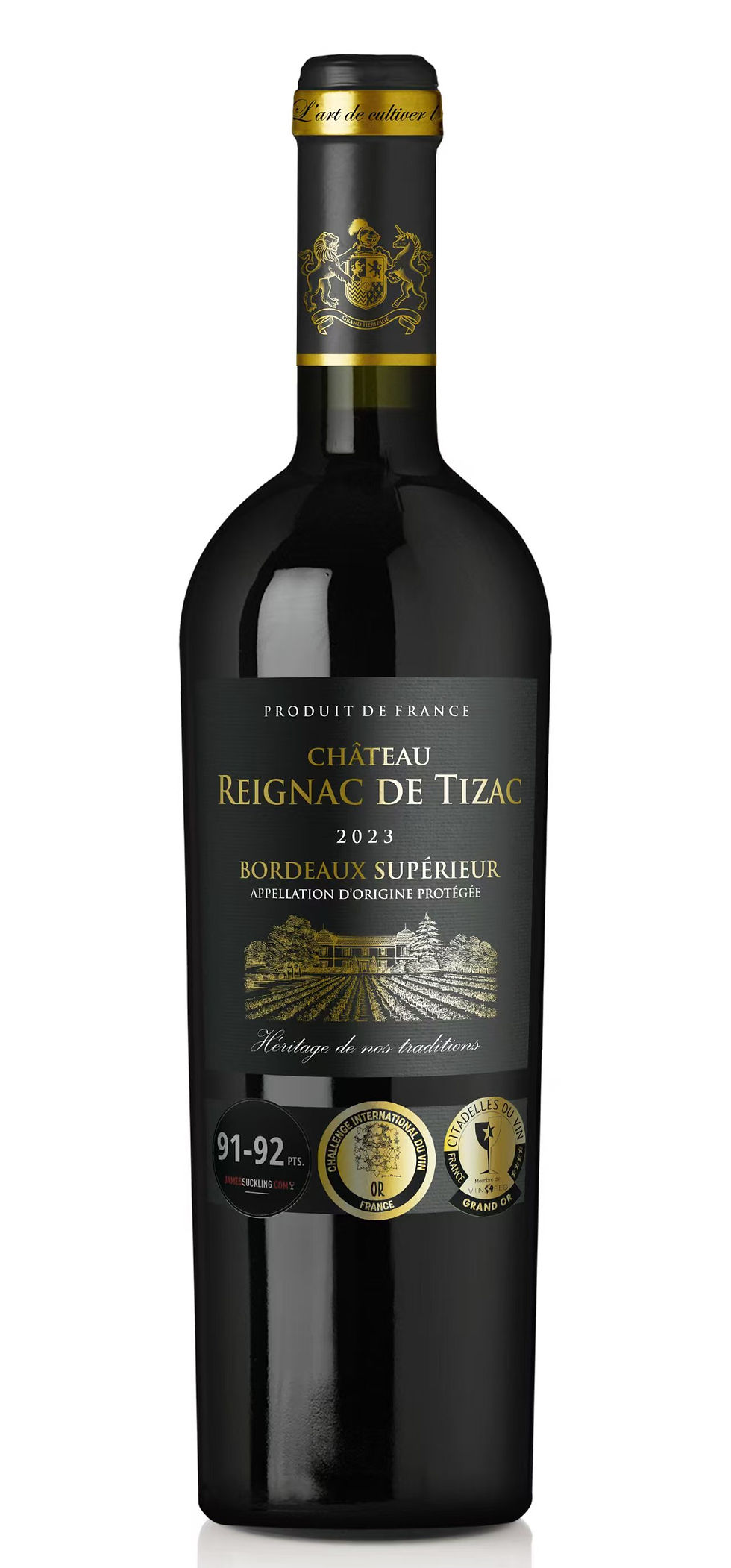
This is the case that interests us today, we have developed for a client a privatized and exclusive label on a partner Château in AOP Bordeaux Supérieur: Château Roquecave.


Made your exclusive brand with TWF, within 4 weeks your dream becomes a reality !
It is a super easy process, contact us: contact@twf-france.fr , our friendly team of experts (designers and salesman) will guide you in order to create your amazing private brand on French wines.


Comments